

Maakum is based in Salalah, the capital of the Dhofar Governorate in southern Oman. It is a city with a character quite unlike anywhere else on the Arabian Peninsula, and for anyone learning a language here, that character matters.
The Khareef
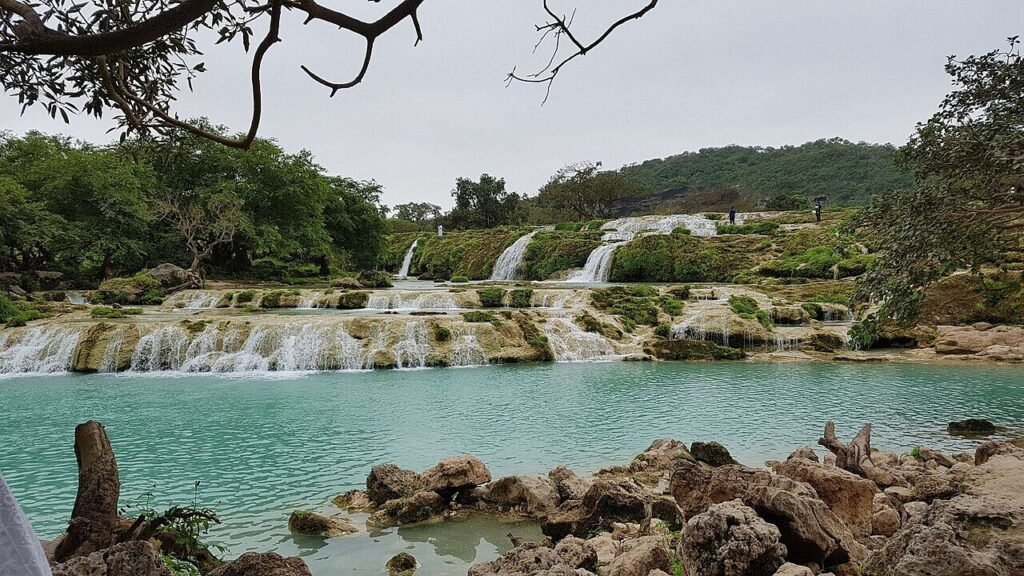
For most of the year Salalah is warm and dry. Then, between roughly June and September, the khareef arrives. Monsoon winds off the Indian Ocean bring low cloud, steady drizzle, and cool air, and the Dhofar mountains turn green. Waterfalls run at Wadi Darbat, the hillsides fill with grazing camels, and visitors arrive from across the Gulf to see rain in Arabia.
It is a genuinely unusual phenomenon. No other part of the Arabian Peninsula gets a monsoon like it, and the season shapes the rhythm of the city.
The Land of Frankincense
Dhofar has been trading frankincense for thousands of years. The resin, tapped from Boswellia sacra trees that grow in the dry hills inland, travelled from here to Egypt, Rome, and beyond. The remains of that trade are still visible: the archaeological site at Al Baleed, the ruins at Sumhuram near Khor Rori, and the frankincense souq at Al Haffa, where the smell of burning resin still fills the air.
UNESCO inscribed the Land of Frankincense as a World Heritage Site in 2000, covering several of these locations.
Coast and Mountains
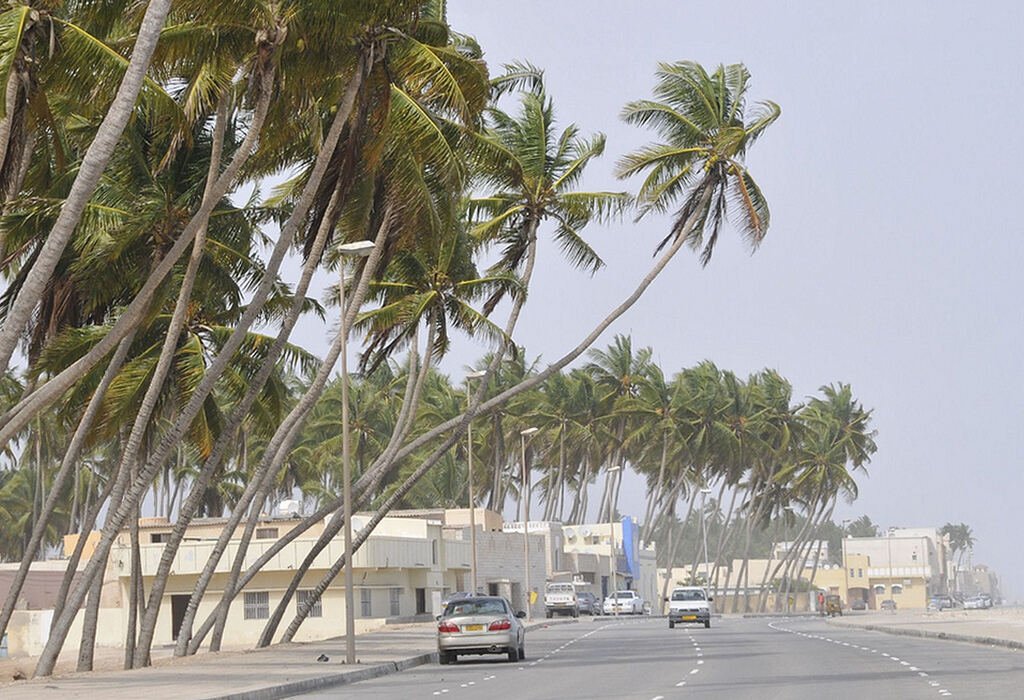
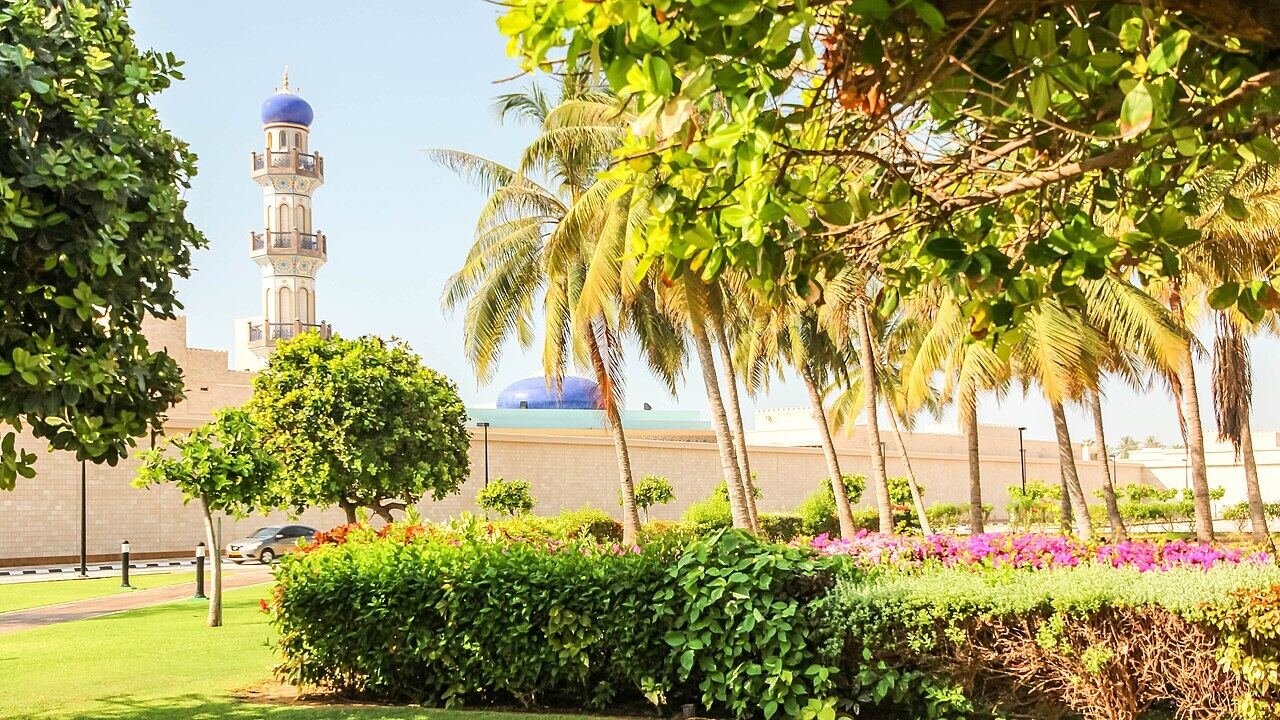
Salalah sits on a coastal plain with the Dhofar mountains behind it and the Arabian Sea in front. Mughsail, west of the city, is known for its beach and the blowholes in the rocks at Marneef Cave. East of the city, the road climbs towards Taqah and Mirbat past long empty beaches. Inland, Jebel Samhan rises to over two thousand metres.
A City of Several Languages
This is the part that interests us most. Arabic is the language of Oman, and the Dhofari dialect has its own vocabulary and rhythm that differs noticeably from the Gulf dialects further north.
But Dhofar is also home to Shehri, also called Jibbali, one of the Modern South Arabian languages. It is spoken in the mountains around Salalah and is not mutually intelligible with Arabic. It belongs to a small family of languages found only in southern Oman and eastern Yemen, and linguists have studied it for decades.
Add to that the English used in business, healthcare, and tourism, and the languages spoken by Salalah’s substantial expatriate communities, and you have a city where moving between languages is an everyday skill rather than an academic exercise.
Why This Matters for Learners
Salalah is growing. The port, the tourism that arrives with the khareef, and the expansion of services all create work where a second or third language is an advantage rather than a nice extra.
That is the practical case. The other case is simpler: living in a multilingual city and only speaking one of its languages means missing a great deal of what is going on around you.
We teach Arabic, English, and French here in Salalah, in our classrooms and online. If you live in this city and have been meaning to add a language, we would be glad to help you start.